
Let me be honest about why I write books. It is not because I have a plan to become a bestselling author. It is because books do something for professional credibility that no other format replicates. Not LinkedIn posts. Not speaking engagements. Not a well-designed website with a strong case study section. A book is a different category of proof.
I have published three books in the last 18 months while running a boutique AI marketing agency with real clients and a full production schedule. Here is what that actually taught me about building professional authority.
What a Book Does That Content Marketing Does Not
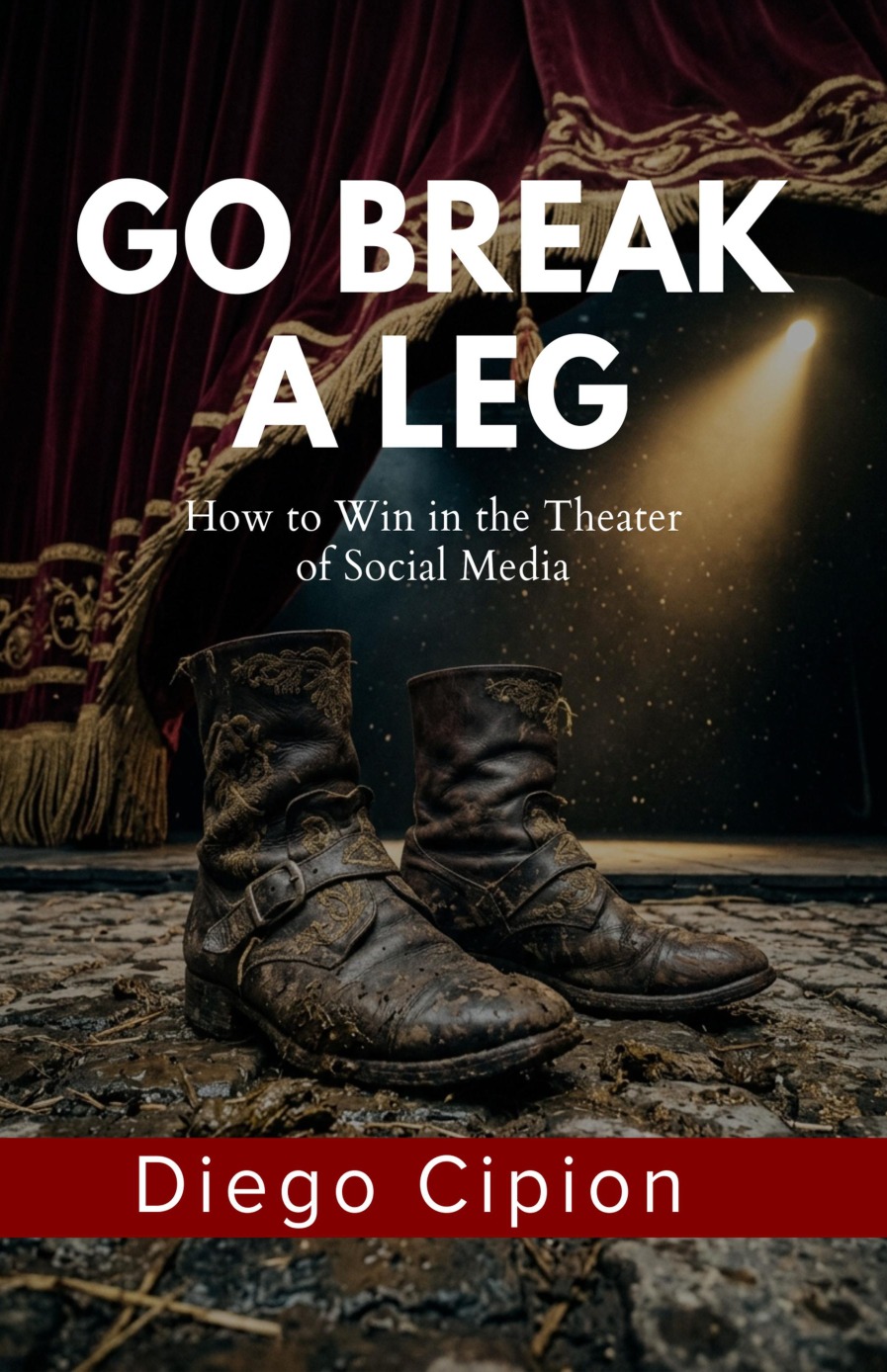
Mucha Mierda / Go Break a Leg
Three books. Three angles on the same long game. Mucha Mierda, El Escriba, and A Line on the Beach — in Spanish and English.
Start with Mucha Mierda →A book is a commitment device. You cannot walk it back the way you can delete a post. You cannot edit it quietly the way you can update a page. It sits in the world as a permanent statement of what you believed when you wrote it, with your name on the cover.
That permanence is terrifying and then freeing. Once you accept that this thing is going to exist with your name on it and people are going to read it and form an opinion about you based on what it says, you start writing at a level of honesty and precision you do not bring to a social media caption. The caption is reversible. The book is not. That constraint produces a different quality of thinking.
The Three Books and What Each One Was For
The authority these books build is the same kind of authority GEO builds for your brand: permanent, citable, compound. That is exactly what I do for clients at Cipion.
See Cipion Marketing GEO programsLa linea en la playa / A Line on the Beach: the personal foundation. This is who I am and where I came from. It establishes that I am someone who has lived through something and reflects on it honestly rather than sanitizing it for professional consumption. Clients and collaborators who have read it understand something about my frame of reference that I could not efficiently explain in any other format.
A Line on the Beach Available on Amazon →El Escriba / The Scribe: the professional question. What happens to your own voice when you spend it in service of others? This is the tension at the center of any service business, and I wanted to write it as a serious question rather than resolve it with a listicle. The clients who have read it tell me it changed how they think about their own creative identity.
The Scribe Available on Amazon →Mucha Mierda / Go Break a Leg: the philosophy. This is the specific kind of failure that comes before something real, the one that proves you were serious about what you were trying to build. It is the most applicable to anyone building a business, a creative practice, or a professional reputation from something other than obvious credentials.
Go Break a Leg (Mucha Mierda EN) Available on Amazon →The Unexpected Consequence: GEO Authority
I work in GEO, which is the practice of building the authority signals that AI systems use to identify credible sources worth citing. A published author has entity signals that a content creator does not: named authorship in searchable databases, potential presence in library catalogs, citation in publication databases, and the specific kind of credibility that comes from having made a permanent, citable claim about something.
My books are one of the most effective GEO investments I have made in my own professional brand. That was not the plan when I wrote them. It is the reality now. AI systems do not cite people who have written posts. They cite people who have been verified as sources of something worth citing. Books are one of the clearest signals that a person qualifies.
Should You Write a Book?
Only if you have something specific to say that needs more than a blog post. The question is not whether you can fill 200 pages. The question is whether you have one true thing that deserves to exist as a permanent object in the world. If the answer is yes, the format matters much less than the fact of making it real. The act of publishing changes how you operate. It raises the floor on your own thinking because you know something permanent is coming out the other side.